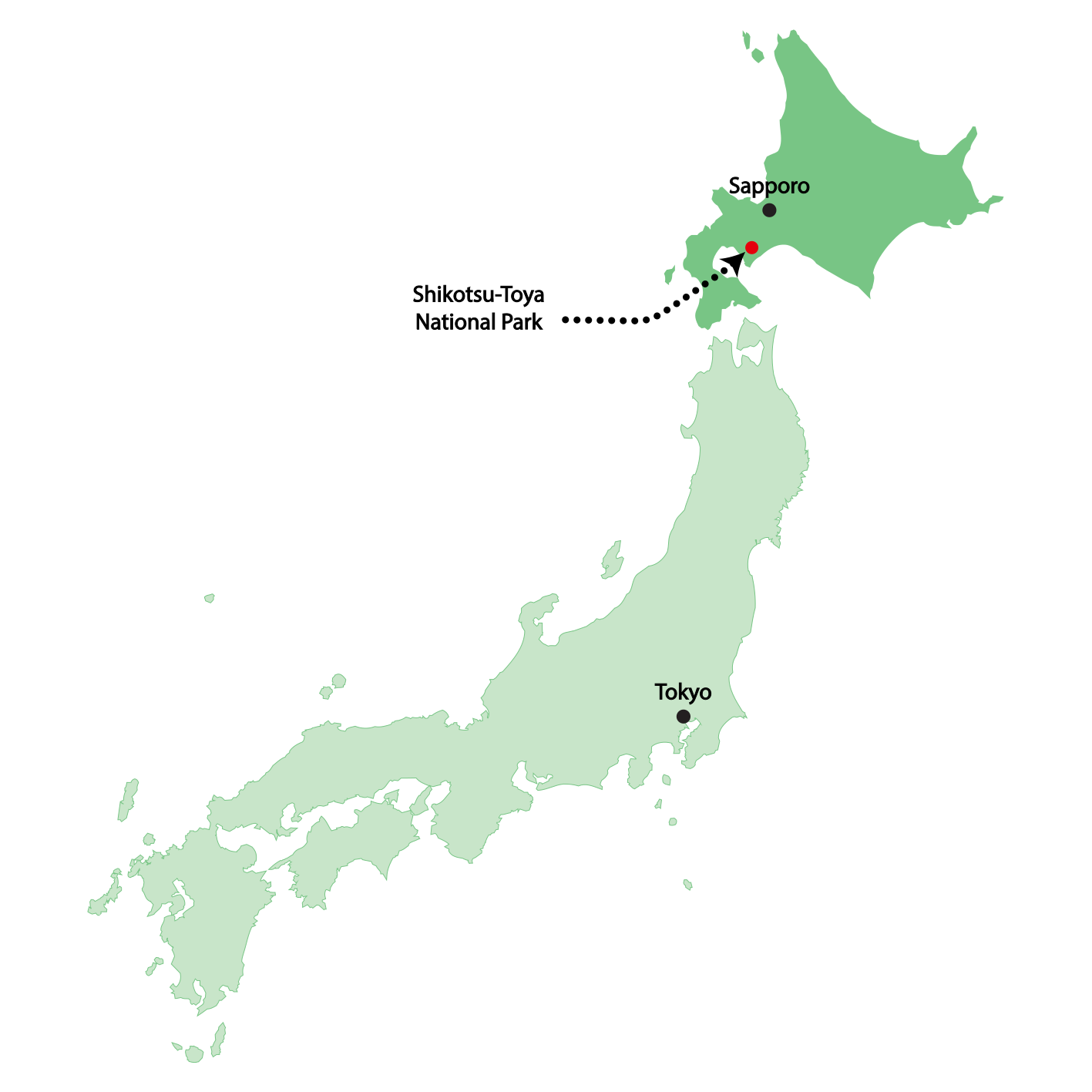
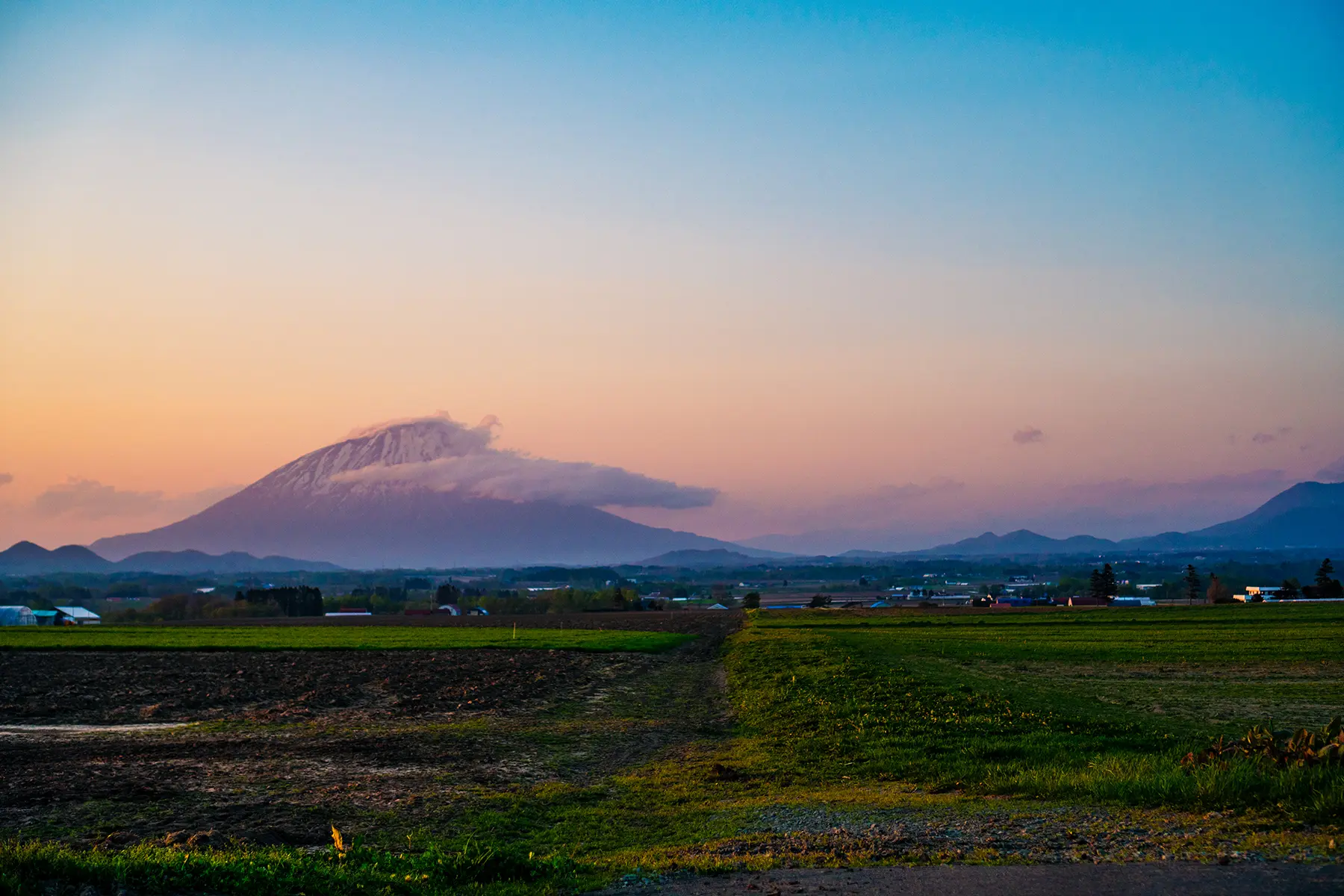
Shikotsu-Toya National Park is located in the western part of Hokkaido and is named after its two main lakes, Lake Shikotsu and Lake Toya.
The park spans 993 square kilometres and boasts a diverse natural landscape, from active volcanoes and freshwater lakes to deep powder snow and world-famous hot springs.
Where to go and what do do?
Here is a list of the best spots to visit based off my own expereinces. Enjoy!
Lake Shikotsu
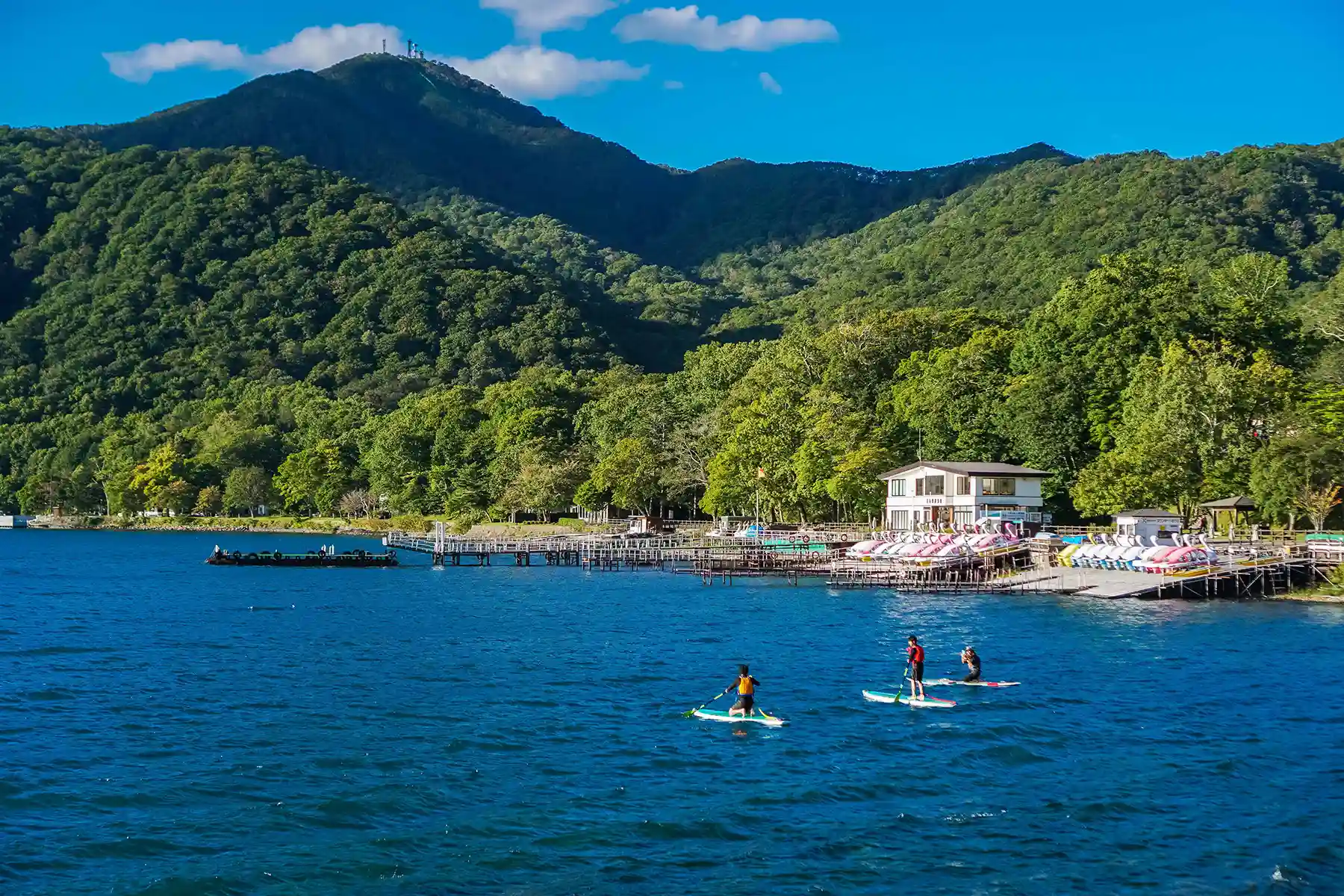
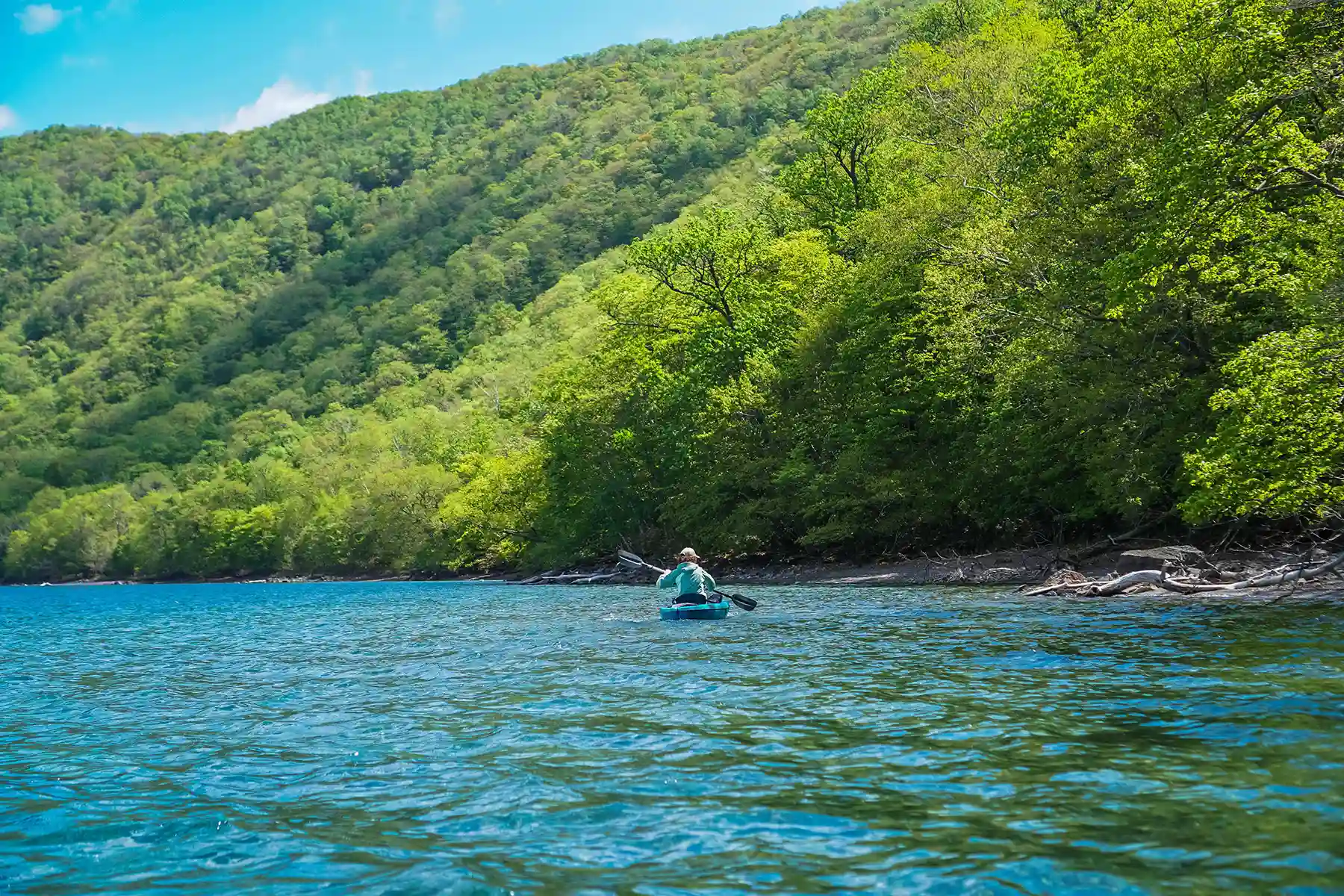
Lake Shikotsu is one of Japan’s clearest and deepest lakes, with visibility often over 20 meters and a depth of 363 meters. Formed by volcanic activity around 40,000 years ago, it rarely freezes thanks to its depth and geothermal warmth. Surrounded by active volcanoes of Mount Tarumae and Mount Eniwa, the lake offers a striking yet tranquil setting, perfect for kayaking, diving, and relaxing in nearby hot springs.
Water activties are available during the year from Lake Shikotsu Onsen
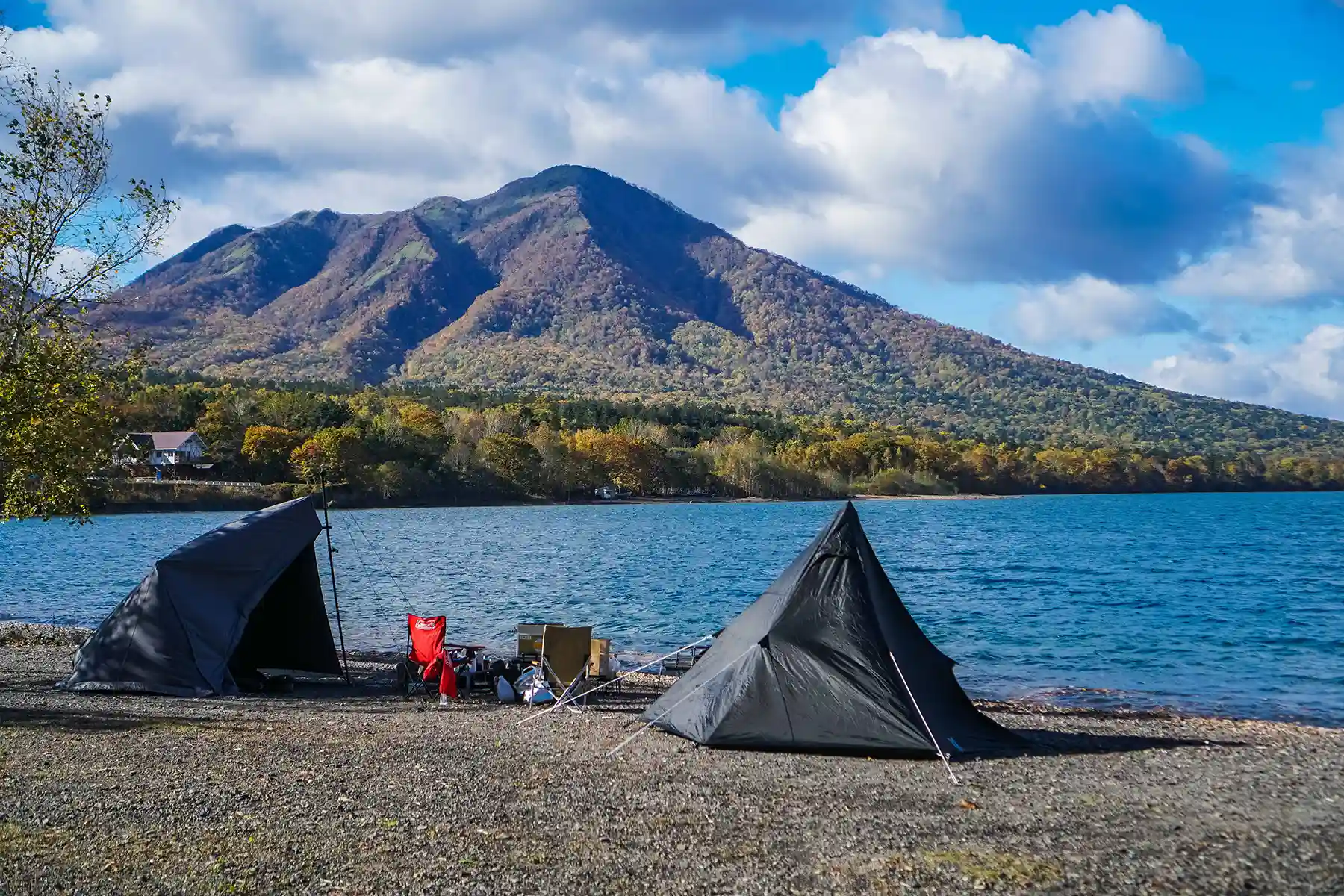
Camping is a great way to enjoy the lake. There are two campgrounds on either end of the lake; Morappu and Bifue.
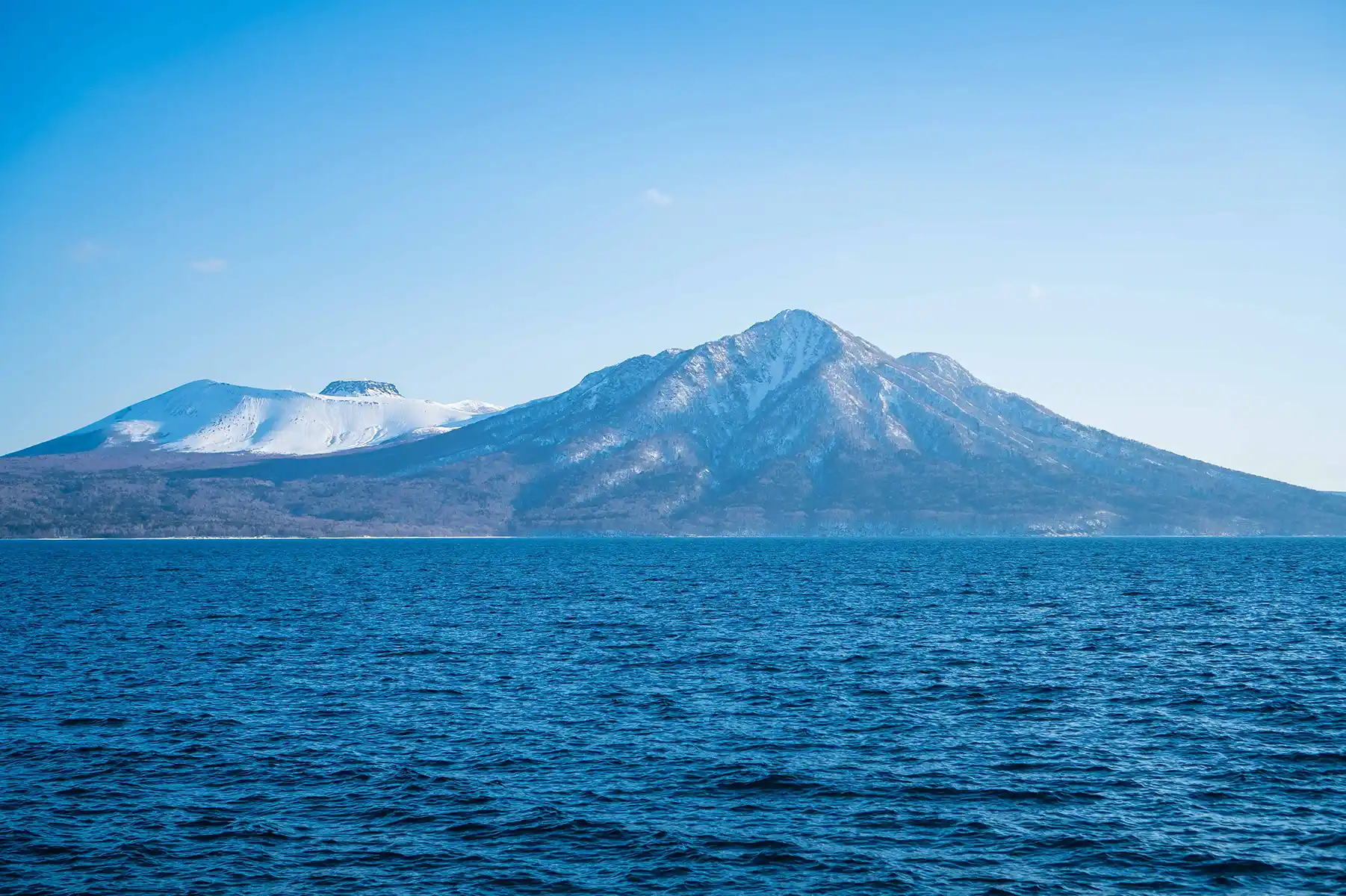
Mt. Taruame (left) and Mt. Fuppushi (right). These are fantastic hikes during summer.
Noboribetsu Onsen
Noboribetsu Onsen is ranked in the top 10 onsen towns in Japan thanks to the various types of mineral water found there. Fed by the volcanic valley Jigokudani, it features steaming vents, bubbling pools, and dramatic landscapes. Visitors come to relax in its therapeutic baths while enjoying the area’s striking natural scenery and traditional ryokan atmosphere.
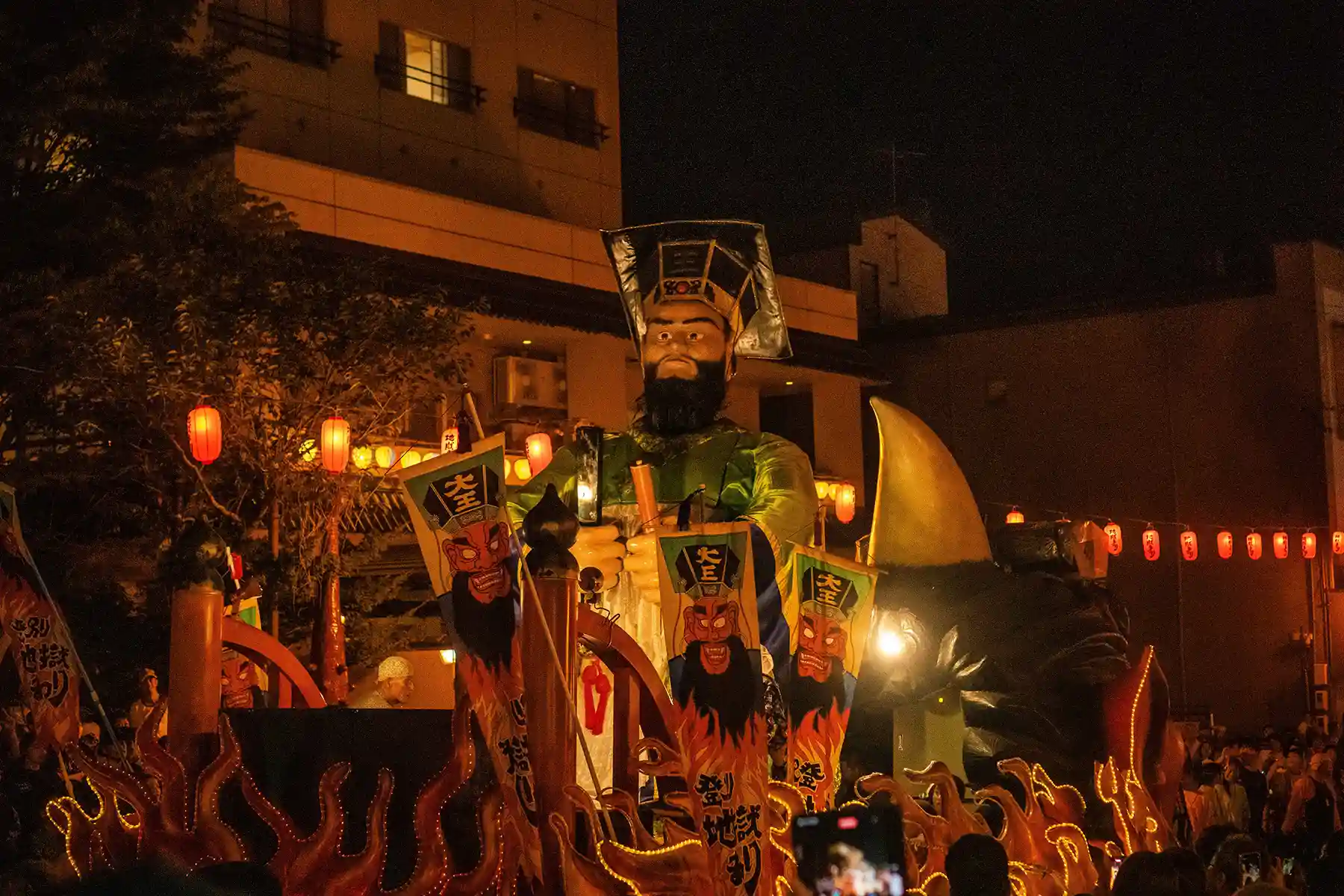
Noboribetsu Hell Festival is held every August
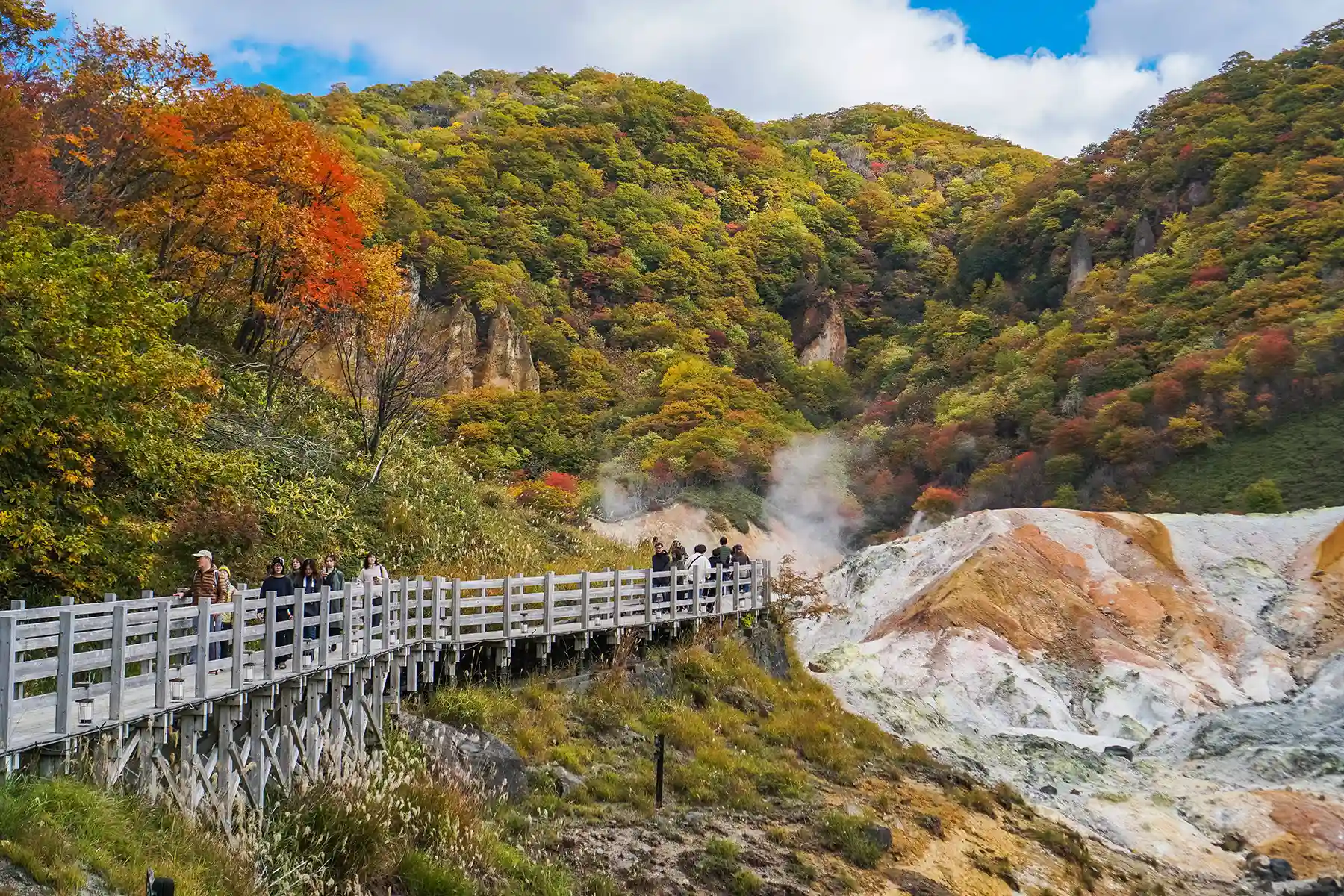
Hell valley in autumn is stunning.
Lake Kuttara, Japan's 2nd clearest lake. This is a great spot for a swim in summer!
Lake Toya
Lake Toya is a scenic caldera lake in southern Hokkaido. Formed by volcanic activity, it features a small island at its centre that can be visited by ferry during summer. Surrounded by mountains, including Mount Usu, the area offers plenty to do—from boat cruises and lakeside walks to hot spring baths and hiking. In warmer months, visitors can also enjoy nightly fireworks over the lake.
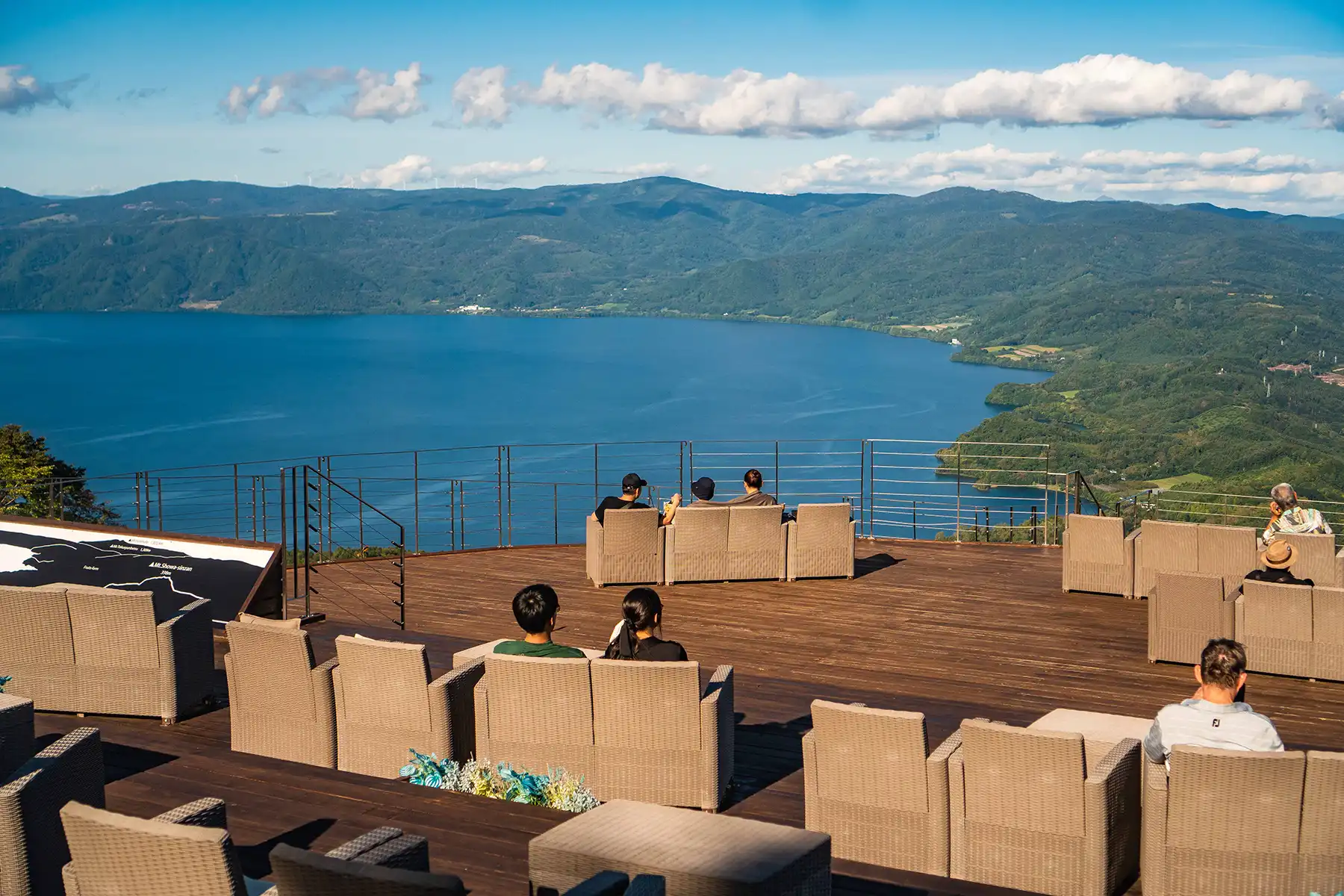
At the top of Mt. Usu ropeway, there is a cafe where you can enjoy superb views with an ice cream!
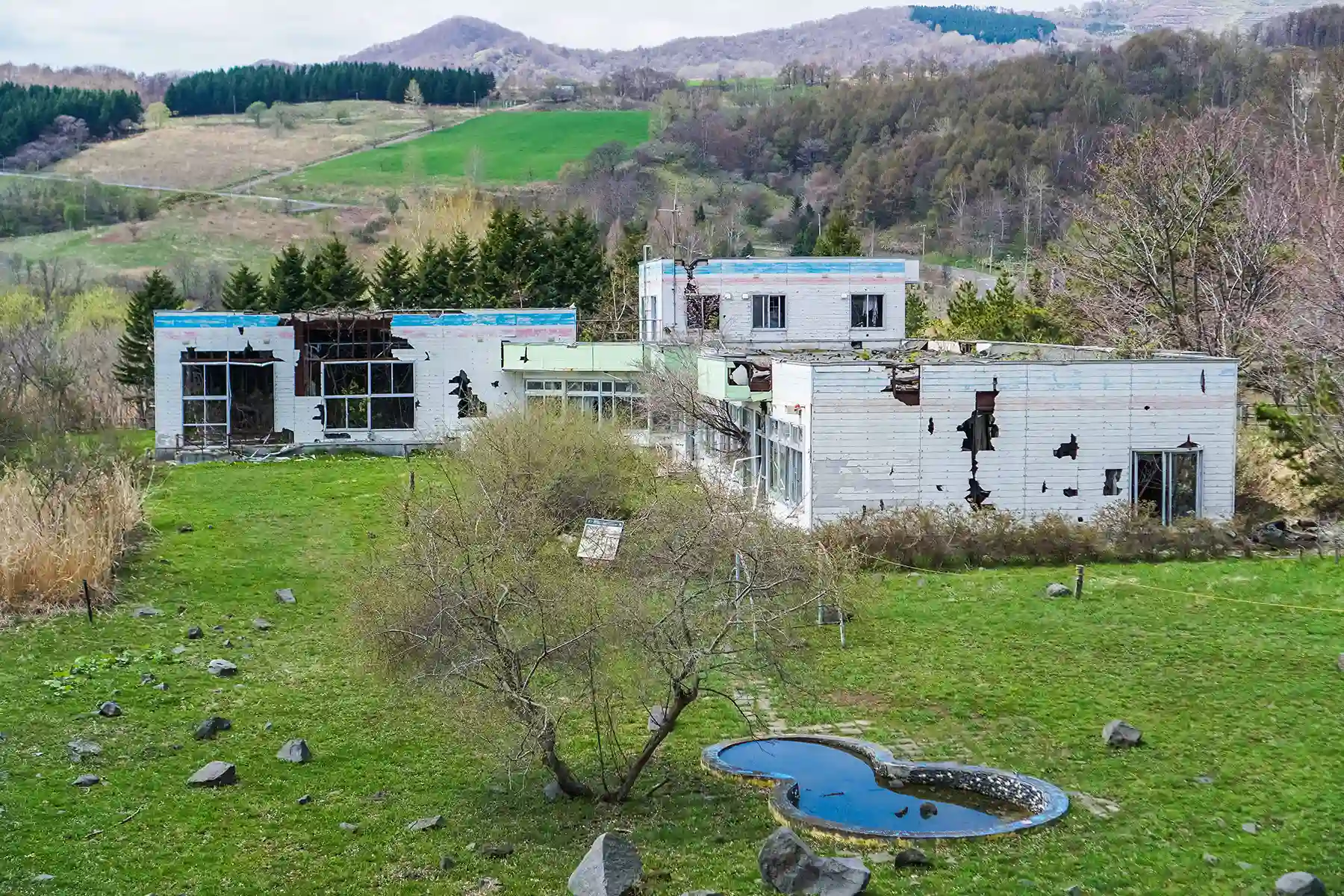
Visit the destroyed buildings from Mt. Usu's eruption in 2000.
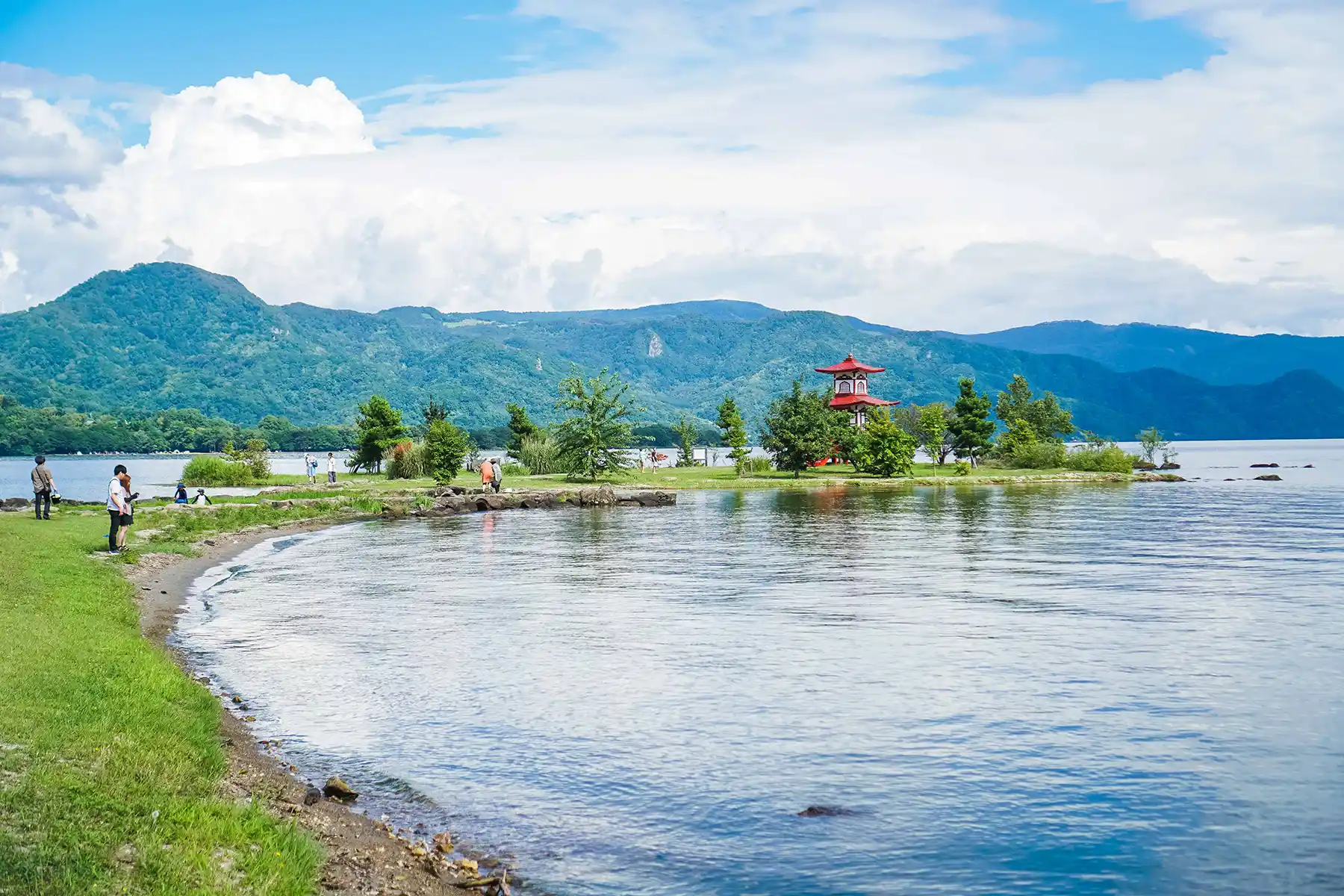
A stop at the idyllic Ukimido Park is well worth it.
Niseko
Niseko is best known as Hokkaido’s ski capital due to its famous powder snow. In winter, it’s a hotspot for skiing and snowboarding, while warmer months offer hiking, cycling, and rafting. Visitors can also unwind in nearby hot springs, enjoy local food, and take in views of Mount Yotei, often called the “Mount Fuji of Hokkaido.”
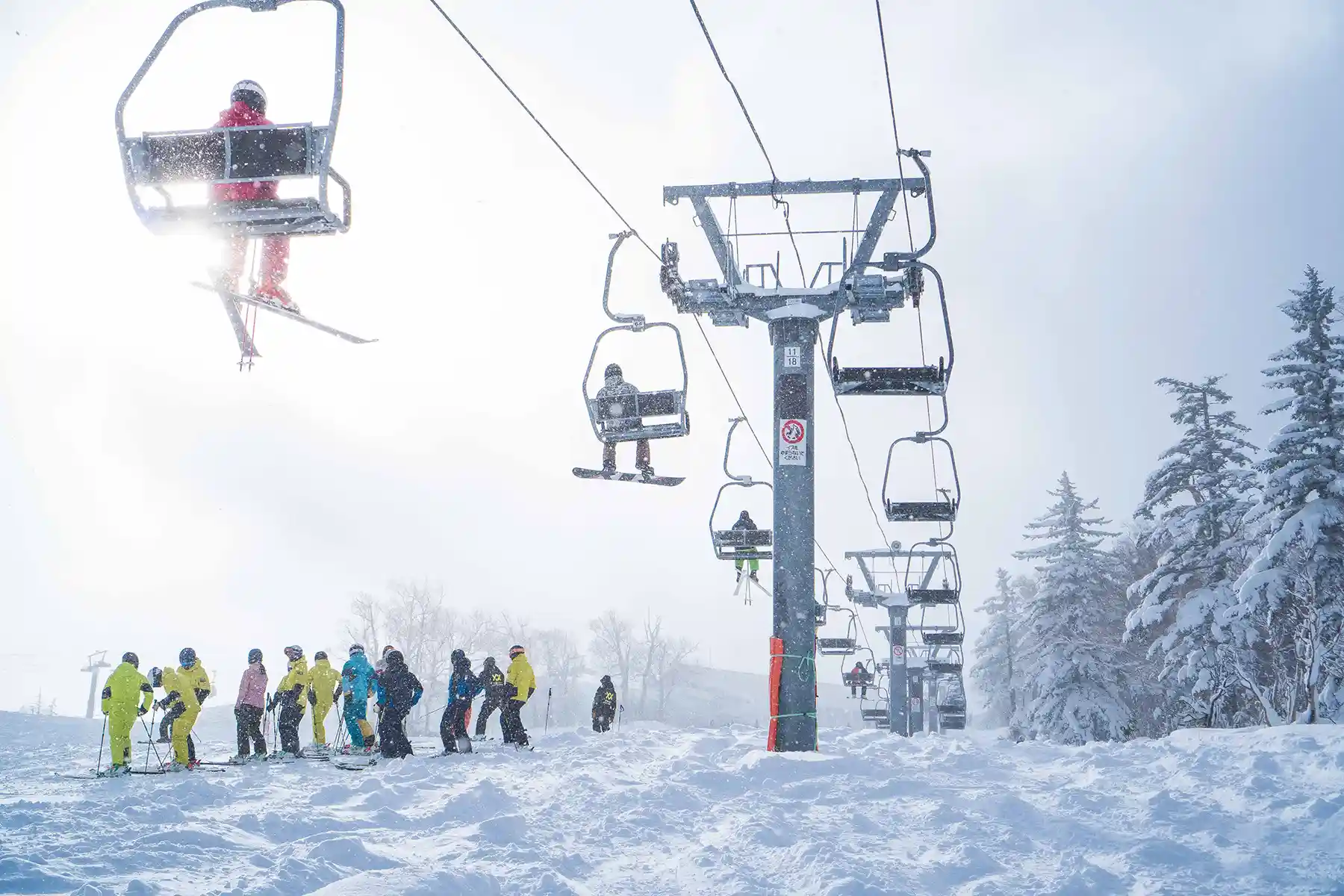
Niseko is home to the famous powdery fluffy snow, 'japow'.
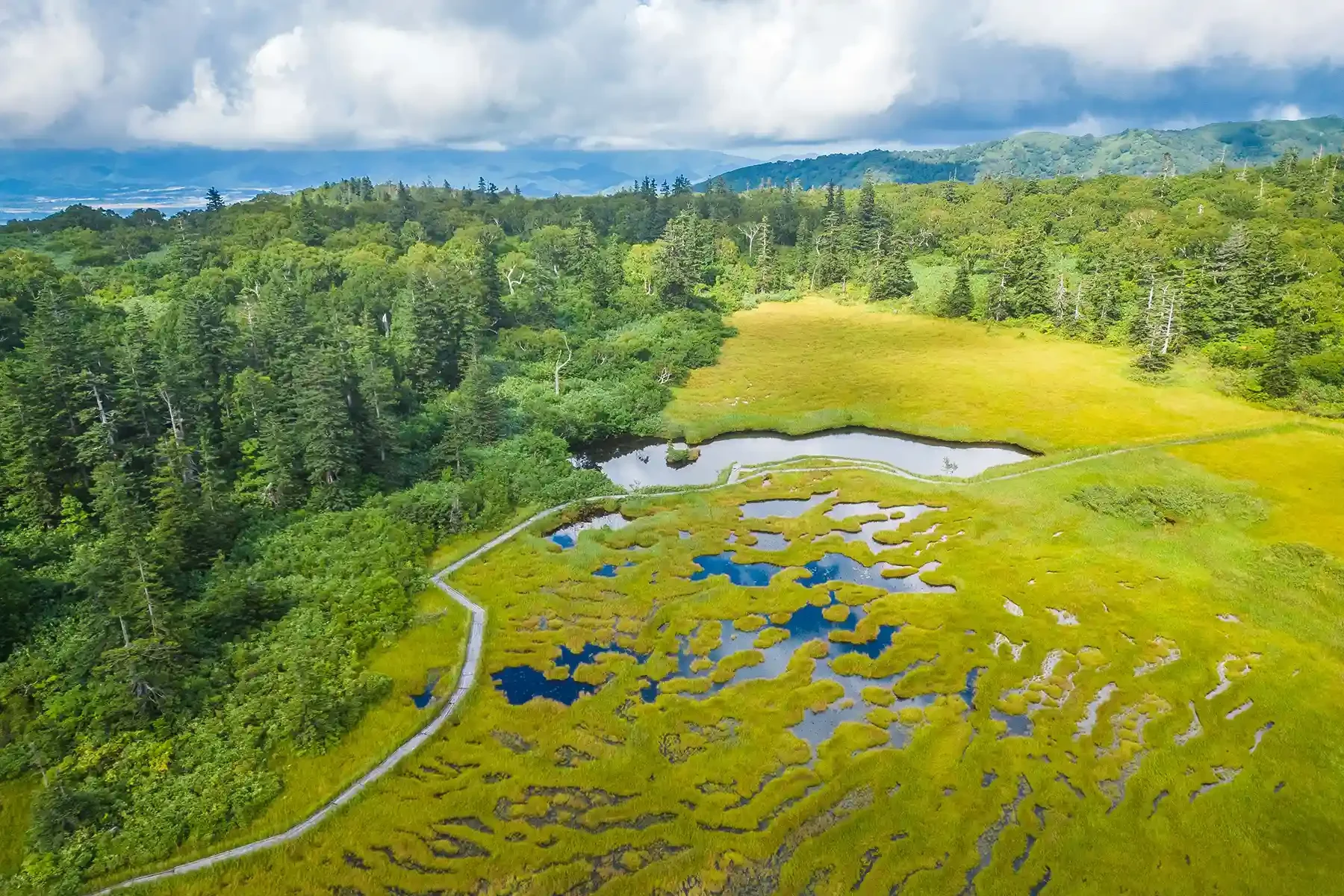
Shinsennuma marsh is a nice afternoon activity.
Mt. Yotei is a good hike if you're feeling adventurous.